Our Comprehensive Guide to Tile Cleaning
The beauty of pristine tiled surfaces is a reassuring and comforting sensation in home décor. With a simple but regular tile cleaning regime, it’s one that you can experience daily in your household.
If you enjoy living in a spotless and hygienic environment, then ceramic and porcelain tiles are a wise investment. Put simply, there is no better material to provide optimum hygiene with minimal effort. Maintaining hygiene around the home is critical to both our physical and mental well-being. It’s a challenge throughout the home and even more important in humid areas like bathrooms and kitchens. Tiles can withstand a lot of the wear and tear of daily life, and with just a simple clean, they can come up as good as new again.
Through this article, we will explain how to clean bathroom tiles, how to get rid of stubborn stains and provide tips for ongoing maintenance.
The Best Tools for Cleaning Household Ceramic & Porcelain Tiles
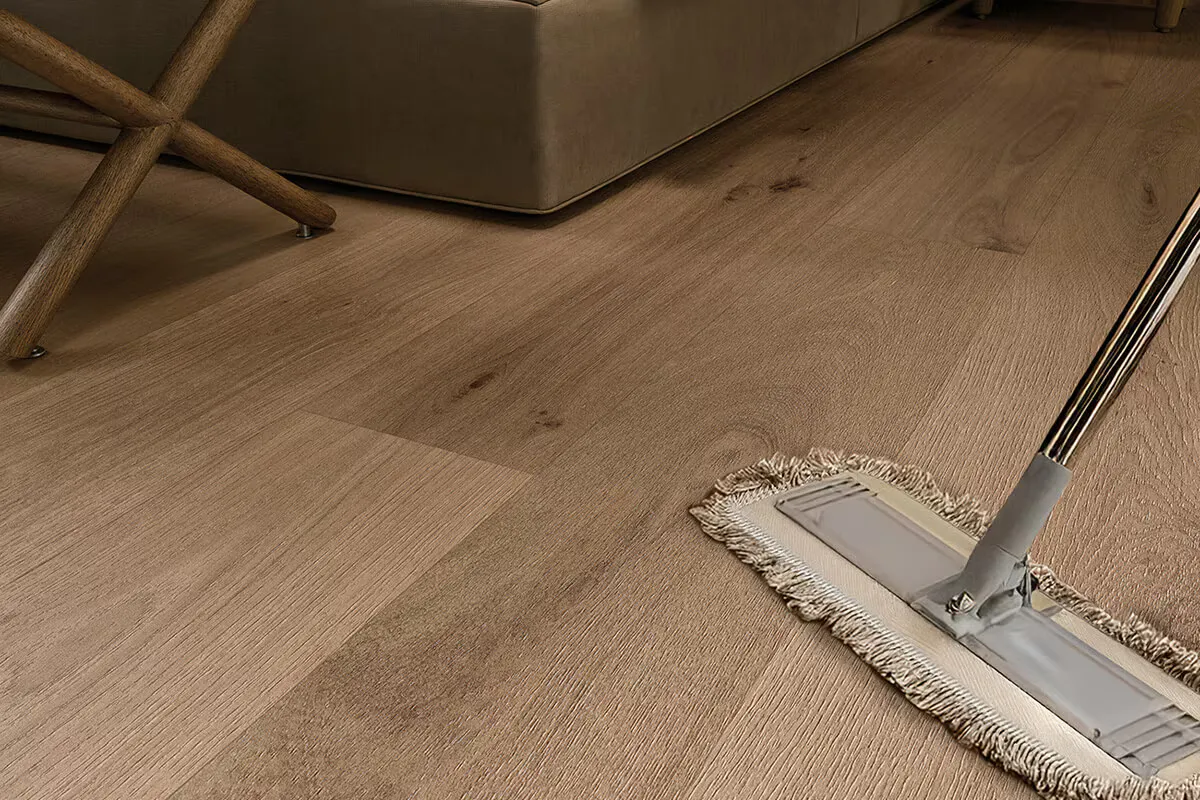
You don’t have to invest in any complicated cleaning equipment for tile cleaning. A regular vacuum cleaner, or these days a robotic vacuum, will do the trick for removing dust and dirt. Then there’s the dual-basin bucket and cloth mop, or microfibre mop for floors. For walls, on the other hand, a damp sponge is invaluable, while a dry towel is the professional cleaner’s secret to avoiding streaks. Keep these items to hand for clean washroom tiles.
Everyday Cleaning for Ceramic Floor and Wall Tiles
The trick with ceramic (and porcelain) floor tiles is to vacuum regularly, a few times a week or when necessary. That makes tile cleaning a lot more straightforward and prevents small problems from turning into bigger problems. If dirt is left on ceramic floors, it can contribute to scratching ceramic surfaces.
Cleaning Ceramic Floors
A mild detergent, such as a washing-up liquid, in warm water works well on ceramic floors. Avoid using too much detergent; the excess soap can leave a film on the tiles, which dulls them over time. For a deeper clean, add a half-cup of vinegar to 4 litres of lukewarm water. A chamois or cloth mop works best. Make sure to rinse the mop in clean water more regularly than for other floors before applying the sudsy solution. Dry off with a cloth or towel to avoid wet rings.
Cleaning Ceramic Wall Tiles
For the vast majority of household stains, simply wipe off with a damp cloth. For more stubborn stains, a hydrogen peroxide solution will do the trick. Allow it to soak on the stain for at least 10 minutes. For really stubborn stains, wipe with a chlorine bleach-based cleaner, without letting the product seep into the wall tiles. A baking soda and water solution will work on grout lines. Allow to set overnight for optimum results.
What are the Differences between Cleaning Porcelain and Ceramic Tiles?
The differences are subtle but help explain the nature of both these popular tiling materials. Porcelain is a denser material than ceramic, fired at a much higher temperature. Porcelain tiles are also made up of a denser clay composition, which vitrifies (turns to glass) differently in a chemical reaction caused by the feldspar content. Therefore, it is less porous than ceramic and consequently more resistant to stains and moisture. Typically, porcelain absorbs less than 0.5% moisture while ceramic absorbs between 3–7% moisture. Hence, porcelain is easier to clean and requires less maintenance.
Core Grey Nature 59.6×59.6 cm
How to Clean Bathroom Tiles
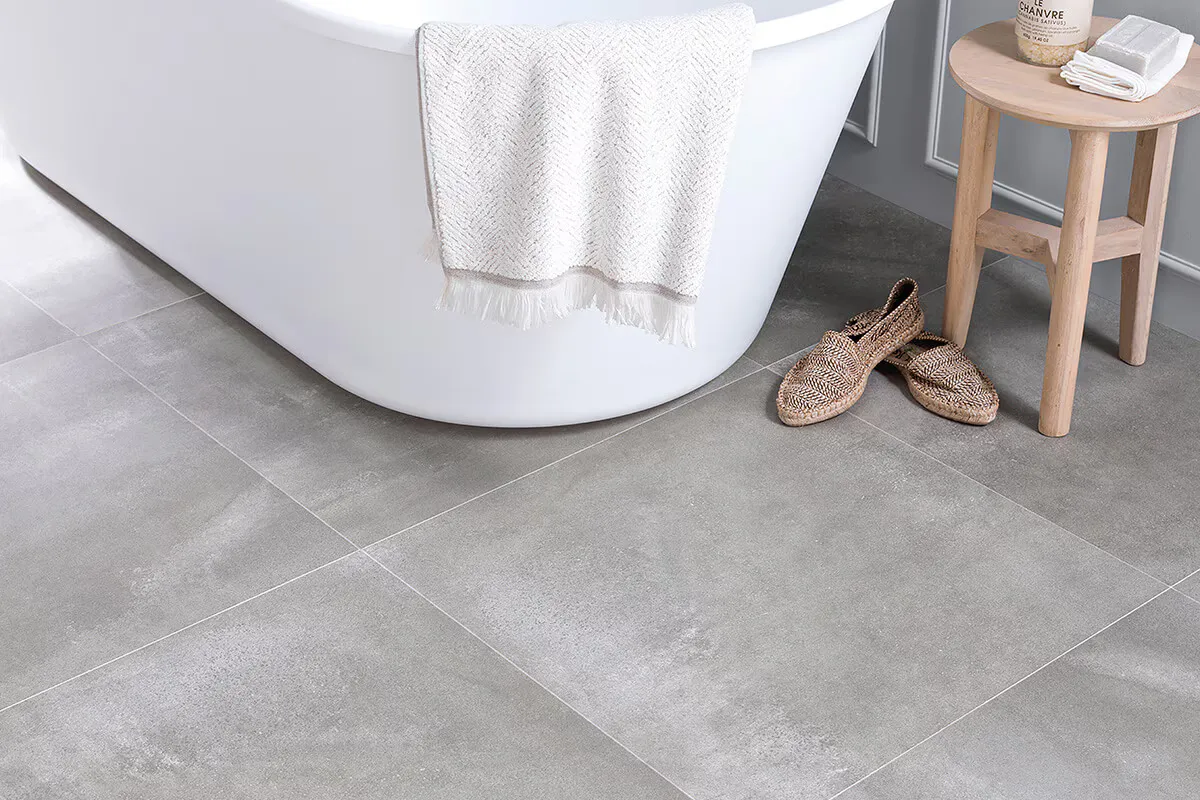
Bathroom floor and tile cleaning is critical to your and your family’s health. You don’t want to traipse bathroom dirt into other parts of the home, nor vice versa. Therefore, cleaning tile floors regularly should be an integral part of household chores. Similarly, mould is a serious health hazard which thrives in humid environments. It follows that good ventilation and clean wall tiles help prevent mould from forming in the first place. Follow these steps for cleaning floor and wall tiling.
Bathroom Floors
- Use a good quality sweeping brush to remove dirt from bathroom floors, brush around the perimeter and collect the dirt in the middle. Don’t forget about the area around the base of the W.C.
- Wash the floor with a mild detergent using a cloth mop and rinse with copious amounts of clean water.
- Always dry bathroom floor tiles after cleaning. Use a towel.
Madison Marquina 45×120 cm
Nolita Marquina 45×120 cm
- Remove any loose debris with a damp cloth. Then apply a half-and-half solution of white vinegar and warm water. Leave for 15 – 20 minutes. Gently scrub off with a sponge or non-abrasive brush. Rinse and dry wall tiles with a microfibre cloth.
- Use a paste of baking powder and vinegar for stubborn soap scum and lime scale. Leave to soak for 15 – 20 minutes before removing with a non-abrasive scrubbing brush.
- Baking powder and vinegar are recommended for humid environments.
- Clean bathroom walls from the top of the tiles downwards.
What Not to Use on Porcelain Tile CleaningIn addition to abrasive cleaners, you should also avoid products containing acids, bleach or ammonia. These can damage both the grouting and the tile surface. Similarly, wax-based products are not recommended because they do not bond with the non-porous surface of porcelain. Although you might achieve a temporary shine, wax traps dirt and particulates beneath, which causes a buildup that dulls the tiled surface over time.Hydrofluoric acid, on the other hand, chemically attacks the surface of the tile, causing permanent damage. It can lead to streaking and bleaching over time, which is irreversible.Alkaline cleaners are also problematic; remember, the increments in the pH scale are measured to the power of ten. Alkalis are just as damaging as acids when it comes to cleaning products for porcelain. Avoid coloured cleaners as well, which can change the surface finish of porcelain tiles over time. How to Remove Difficult Stains and Encrusted Dirt from Ceramic TilesThe most critical time in the protection of a tiled surface is after the builders have left. Click on this link for more information on how to clean porcelain tiles after installation. After that, life happens, and sometimes, we are faced with encrusted dirt or stains caused by accidents. These can be removed by either physical means or chemical products. Good old-fashioned elbow grease combined with a detergent or light abrasive will remove most household stains. But some stains require a different approach. One that matches an acidic or alkaline chemical detergent to the type of stain or encrustation. In the following table, cleaning agents for bathroom tiles are matched with the most common stubborn stains. StainCleaning product*Cementitious adhesiveAcid detergentCoffee, tea, food, fruit, juice or cosmeticsNormal detergent dissolved in hot waterGreasesBaking soda and water, neutral soap (use a mild scouring pad)Pencil stainsSoft eraserOrganic stainsAlkaline detergentMarker paintSolvent (turpentine, acetone, ethanol)Rubber remnantsAlkaline detergent, solventGasket remnantsAcid detergentSilicone remnantsHydrogen peroxide or diluted bleach solution (on smooth surfaces not susceptible to scratching, a vitroceramic scraper can be used)Bloods Hydrogen peroxide or diluted bleach solution Inks Diluted bleach solution Iodine or bromineAcid detergent, hydrogen peroxide, diluted bleach solution, ammonia.*TIP: Always test a patch of tiling with any untried cleaning product before embarking on an in-depth clean.
Bruselas Roble Antislip 19.3×180 cm
How to Clean Porcelain Patio TilesNowadays, with the increasing popularity of garden terraces, porcelain tiles are the go-to choice in quality flooring materials. Porcelain recreates the durability and authentic look of stone paviours as well as the warmth of timber-effect decking. But without the maintenance. Nevertheless, outdoor tile cleaning is a different kettle of fish from indoors. With these helpful tips, you can keep your garden terrace looking pristine, year after year.1.0 Use an appropriate cleaner Just like indoors, avoid hydrofluoric acid on exterior tiles. Instead, use a diluted alkaline solution. Test out a patch of paving with a 1:10 solution and apply generously. Rinse and repeat several times using a stiff-bristle deck brush to scrub vigorously. Finish with clean water to remove any traces of the alkaline solution.2.0 Only sweep the tiles when dryBetween potted plants, falling leaves and general wear and tear, garden terraces are a magnet for general detritus. If possible, avoid sweeping wet mud and dirt off the tiles, but instead wait until everything has dried out. Regular brushing is important, but it is counterproductive when the tiles are damp.3.0 Annual pressure washingAs part of your yearly maintenance regime, we recommend a seasonal pressure wash to coincide with other garden chores. There’s no better way to deep-clean outdoor patio tiles and remove lichen and moss. Use a well-diluted detergent.4.0 Regular spot cleaningTo avoid small problems becoming larger problems, get into the habit of spot cleaning patio tiles. Simply clean off food spillages with a damp cloth and soapy water as soon as practical.
Dorcia Acero 59.6×150 cm
Line Dorcia Acero 59.6×150 cm
How Can I Clean Bathroom Tiles More EfficientlyThe recap below of simple tips for long-term maintenance should help you save time without compromising on good results. Clean tiling is much more straightforward and less time-consuming in practice than you think.1.0 Sweep bathroom floors regularly.2.0 There’s no need to purchase expensive cleaning products; a washing-up detergent and hot water will do the trick most of the time.3.0 A cloth mop or chamois is better than a sponge mop.4.0 Always rinse bathroom floor and wall tiles with fresh water after cleaning.5.0 Use hot water rather than warm water for a deeper clean.6.0 Keep grout lines clean.7.0 Use bathroom mats to protect floor tiles.
What’s the best way to clean tile floors?
Sweep or vacuum the floors after removing any loose furniture. Then dilute a mild detergent in warm water and mop with a dual-basin bucket that contains clean water. Always mop down with clean water after using detergent. Dry with a microfibre cloth.
Can I use bleach on ceramic tiles?
Yes, but only if it’s diluted. However, it should only be used if necessary, and even then, it should be used infrequently. Hot water is recommended for day-to-day cleaning. Consult the chart included here for alternative cleaning products that are suitable for specific stains and encrusted dirt removal. Use a paste of baking soda to clean grout, rinse thoroughly and then dry.
How do I remove silicone residue from bathroom tiles?
Scrape away any thick pieces of silicone that you can reach with a plastic scraper. Then apply a solvent such as methylated spirits (or similar) with a clean cloth or paper towel. Make sure to test an unobtrusive patch first. Allow the solvent to sit for a minimum of 30 minutes and then remove it with a plastic scraper or blade. Then wipe the entire area with rubbing alcohol.
What’s the safest cleaning agent for porcelain?
You really cannot improve on soap and warm water. Use a mild detergent that is pH neutral. Mix three parts water with one part cleaning product to guarantee a long and pristine life for porcelain tiles. Always finish mopping floors with clean water.
Can I clean wall and floor tiles the same way?
Wall tiles and floor tiles are exposed to very different wear and tear. Therefore, there are significant differences in cleaning regimes. While it’s true that you can use similar cleaning solutions, the preparation of both surfaces differs.