Guaranteed Tile and Grout Cleaning Tips
With a regular tile and grout cleaning regime, kitchens and bathrooms will sparkle like new. Nothing matches the sensation of luxurious hygiene like impeccable tiling and spotless grout lines.
Through this article we are going to help you fall back in love with your tiling. We’ll provide valuable information on cleaning porcelain tiles and advice on how to avoid marks and stains from building works. We include tips on how to clean tile floors and walls. And, finally, we’ll help you keep grout lines looking pristine to ensure tiled surfaces straight from an interior magazine spread.
Read our step-by-step guide to tile and grout cleaning, from installation to weekly maintenance.
How to clean grout off tiles after installation
Tiled surfaces and grout lines must be free from dust prior to sealing. A lot of dust and grime can accumulate on the tiles during the construction process. This can affect not only the appearance but also the performance of the tiles. After the builders have gone, remove any dust and debris as soon as possible to avoid scratches. Similarly, grout haze (dried grout that settles on grout lines during installation) is hard to remove if left for too long and can affect sealing. Follow these steps as soon as the installation is complete to ensure the optimum finish.
- Remove any debris and sweep the area with a broom or vacuum cleaner with a soft brush attachment.
- Gather all the supplies that you will need to complete the job: mild detergent or tile cleaner, bucket and mop, soft-bristle brushes and microfibre cloths.
- Better be safe than sorry, test the cleaning product on an area of tile that is least visible, just in case of an adverse reaction.
- Fill a bucket with water, adding a mild detergent, and make sure to follow the manufacturer’s instructions. Mop the floor with a to-and-fro action, remembering to regularly squeeze out the mop to avoid the spread of dirt. A flat mop works better.
- Use a soft bristle brush on stubborn stains or marks, applying pressure in a circular motion. Avoid steel wool or any other product that might damage the tile surface.
- Rinse the floor with clean water, making sure to remove any excess detergent. Then dry the surface with a clean cloth or squeegee.
Cleaning tile grout after installation
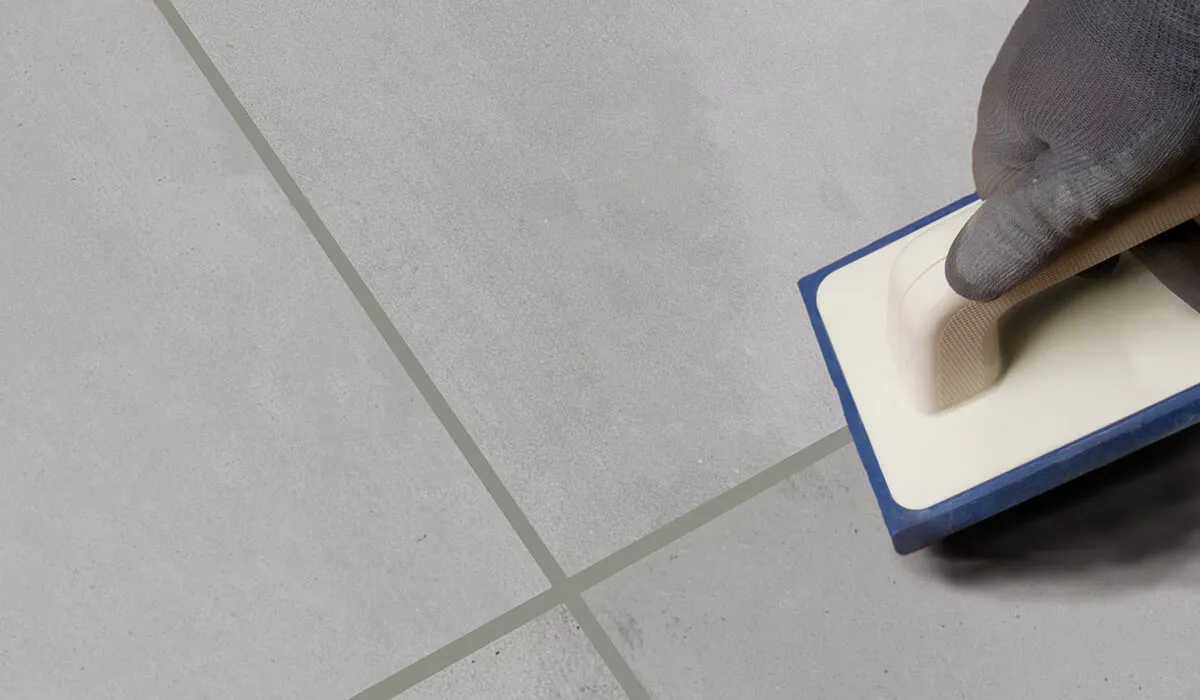
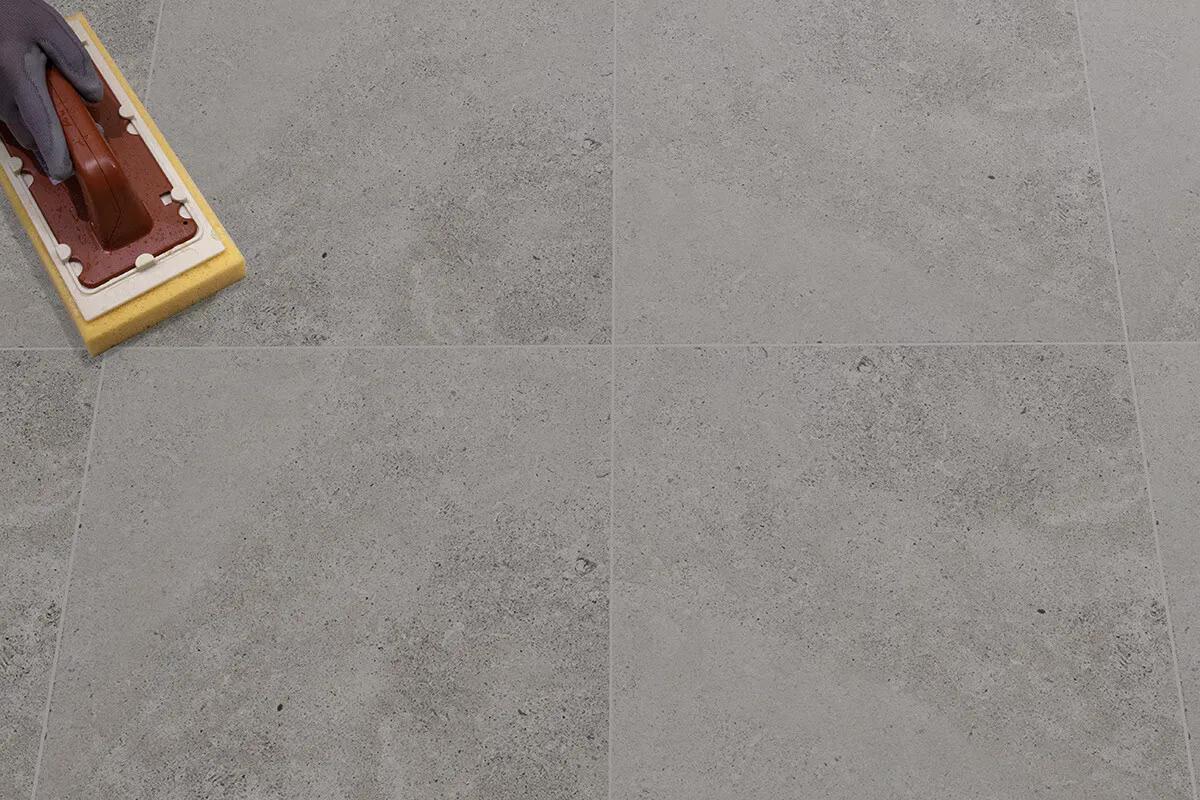
We strongly recommend taking the correct measures to remove grout haze after installation. Use a commercial product that is suitable for the selected grout. Use protective gloves and eyewear while applying the product to the tile surface using a sponge or cloth. Leave for the recommended time and then scrub the tiles and grout with a soft-bristle brush. Repeat as necessary till the grout haze is completely removed.
How to clean porcelain tiles
The cleaning process is straightforward but depends on the type of porcelain tile, i.e. glazed, unglazed or textured. Whatever type of tile you have, you should vacuum and sweep the tiled surface before applying any porcelain tile cleaner. The secret to cleaning porcelain floor tiles is to establish a regular cleaning regime and stick with it.
Spray the tiles with a vinegar-and-water solution and allow them to soak. Then use a soft bristle brush to scrub the tiles paying particular attention to any stubborn spots. Rinse generously with hot water to remove any dirt. Then dry thoroughly with a microfibre cloth or other to remove any remaining moisture. If you prefer a commercial cleanser, remember to use it sparingly.
Glazed tiles need more regular cleaning because these tiles show up dirt, grease and fingerprints. Repeat the same steps as above, but finish by buffing the tiles with a cheesecloth.
Textured tiles will require a deeper cleaning than smooth tiles. Pay more attention to the first step, sweep the floor twice and go over it with the vacuum afterwards. Then leave the vinegar-and-water solution for a minimum of 10 minutes before mopping with hot water. Then, dry thoroughly.
Instead of using a mop, use a vapour steam cleaner or high-pressure cleaning equipment instead.
How do I clean porcelain tile stains?
Porcelain tiles can usually be restored to their original state by simply cleaning them with water. However, some stains are more difficult to remove and require a more specific product. This is true, for example, of coffee, tea, ink, and make-up. Below are some examples of products suitable for treating specific stains.
- If the stain is from a felt pen, use a solvent such as methyl alcohol, acetone, or ethanol to remove it.
- For stains from coffee, tea, food, fruit, juice, or make-up, use regular detergent dissolved in hot water, along with hydrogen peroxide or bleach.
- For pencil marks, use a soft rubber.
- Baking soda and water can be used to remove grease and dirt stains.
- For blood stains, use hydrogen peroxide or a diluted bleach solution.
And here’s a much more detailed table that explains suitable cleaning products for porcelain tiles depending on the stain, with a focus on the Butech products mentioned above.
Table of recommended cleaners for different types of stains
How to clean tile grout
Tile grouting really makes a difference to the overall look of a floor or wall surface. But lines of grout can become discoloured over time in humid environments after repeated exposure to soap and detergents. Providing proper ventilation helps, but it is only part of the solution in proper maintenance.
1.0 How to clean floor tile grout
No one wants to spend more time than necessary scrubbing the grout lines between floor tiles. To avoid unnecessary suffering and for optimum results, follow our three-step tile grout cleaning regime. You should have everything you need lying around the home already.
1. Prepare a paste of two parts bicarbonate of soda and one part water. Rub onto the lines of grout between the floor tiles with an old toothbrush or stiff bristle nailbrush.
2. Fill a spray bottle with distilled white vinegar and spray along the lines of grout. The chemical reaction between the bicarbonate paste and the vinegar will create a fizz.
3. Once the fizzing subsides, use your stiff-bristled brush and lots of water to wash away the grime. Then wipe dry with a microfibre cloth.
2.0 How to clean wall tile grout
Use the same methods to clean wall tile grout. However, the grout lines between wall tiles will need less maintenance than the flooring. We also recommend using anti-bacterial grouting and sealing the joints for optimum results.
How can I clean bathroom tiles?
Never underestimate the effect that clean washroom tiles can have on your bathroom décor. Bathroom tiles tend to accumulate soap and limescale residue. The good news is that thanks to its properties, porcelain is low-maintenance. Just be regular with your cleaning routine for clean porcelain tile bathroom floors and walls.
The best cleaning products for tile floors & walls
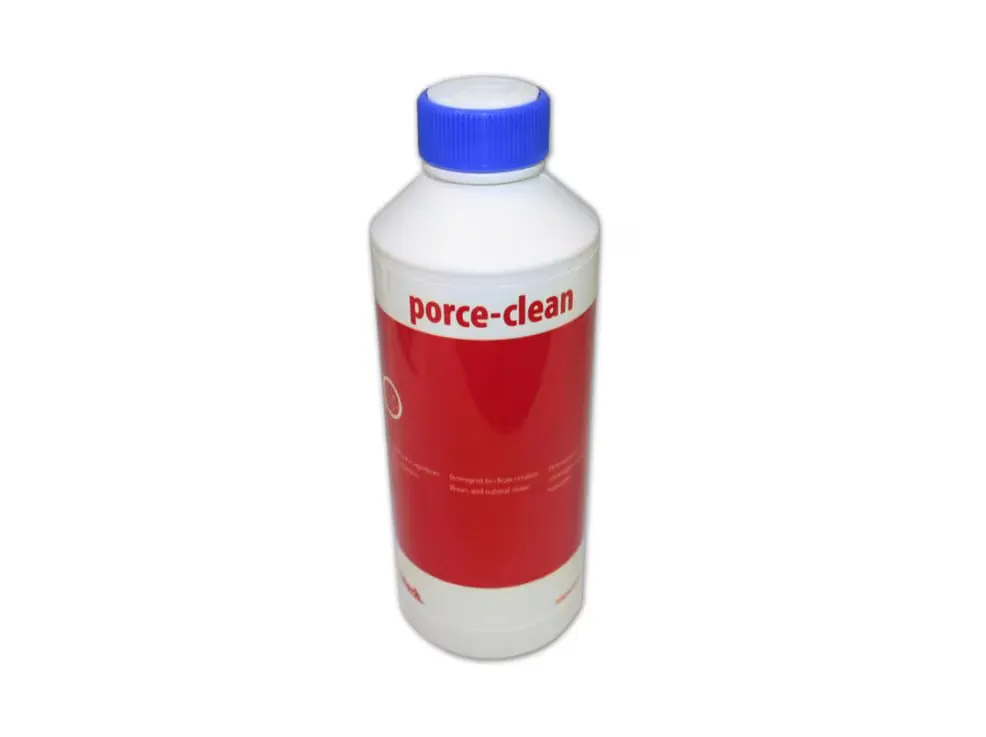
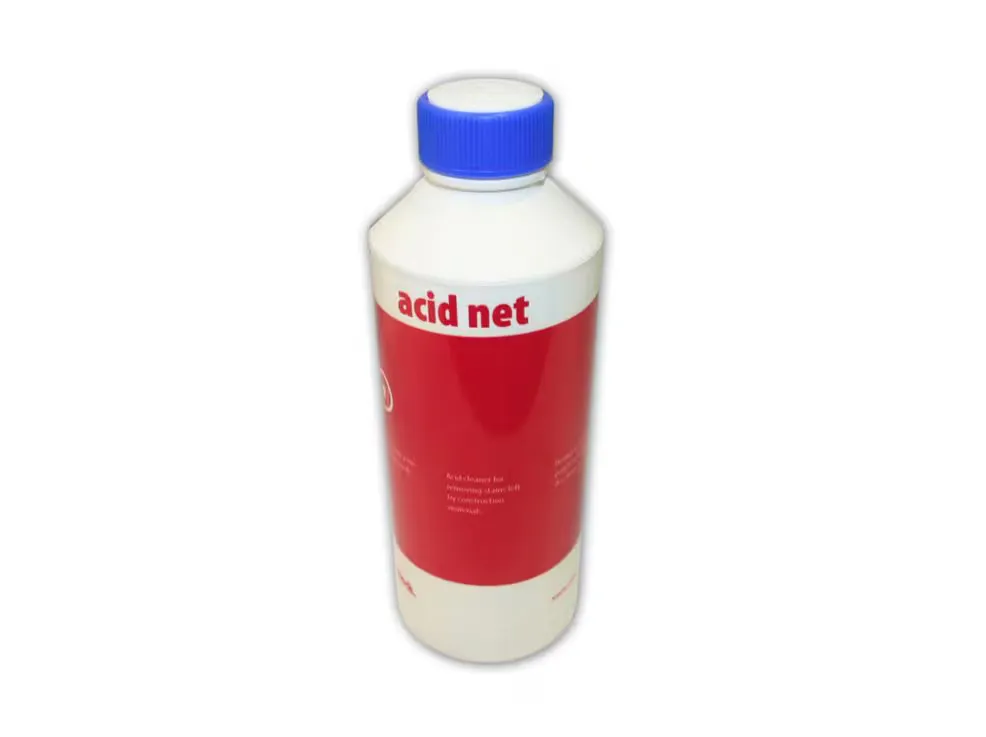
Butech, a Porcelanosa Group company dedicated to technical solutions, has created a line of cleaning products, each tailored to specific requirements. Whether it be cleaning tile floors or walls, one of these products will do the trick.
- Deep and thorough cleaning of porcelain tile flooring.
- Neutral pH to protect delicate surfaces.
- Recommended for polished surfaces; low foaming and quick drying to prevent marks.
- Building residue removal: cement and plaster residues of all kinds and efflorescence in general.
- Deep cleaning of ceramic and porcelain, and ceramic tile walls.
- Cleaning of wax, oil or grease remains from floor and wall tiles.
- Cleaning of glazed substrates prior to laying new tiles.
For more detailed information on specific tiles and cleaning products, visit our online shop. Alternatively, you can speak directly with our experts at the nearest Porcelanosa showroom for personalised advice and recommendations tailored to your project.