LVT Flooring: Pros vs Cons
Luxury Vinyl Flooring is attracting a lot of attention from homeowners and interior designers right now, offering a unique combination of good looks, low maintenance and durability. Read on to find out what all the fuss is all about.
Everything you think you know about LVT flooring is probably wrong. Through this article, we look at the pros and cons of this almost indestructible material. The versatility and performance of this advanced flooring option will surprise you. Vinyl is a man-made material that has numerous applications in construction. LVT flooring in the UK gained popularity in office and retail buildings first. Now it’s finding applications in UK homes. Nothing else equals its properties for specific situations, such as humid environments and areas of heavy footfall. Join us as we explore the Pros and Cons of luxury vinyl flooring.
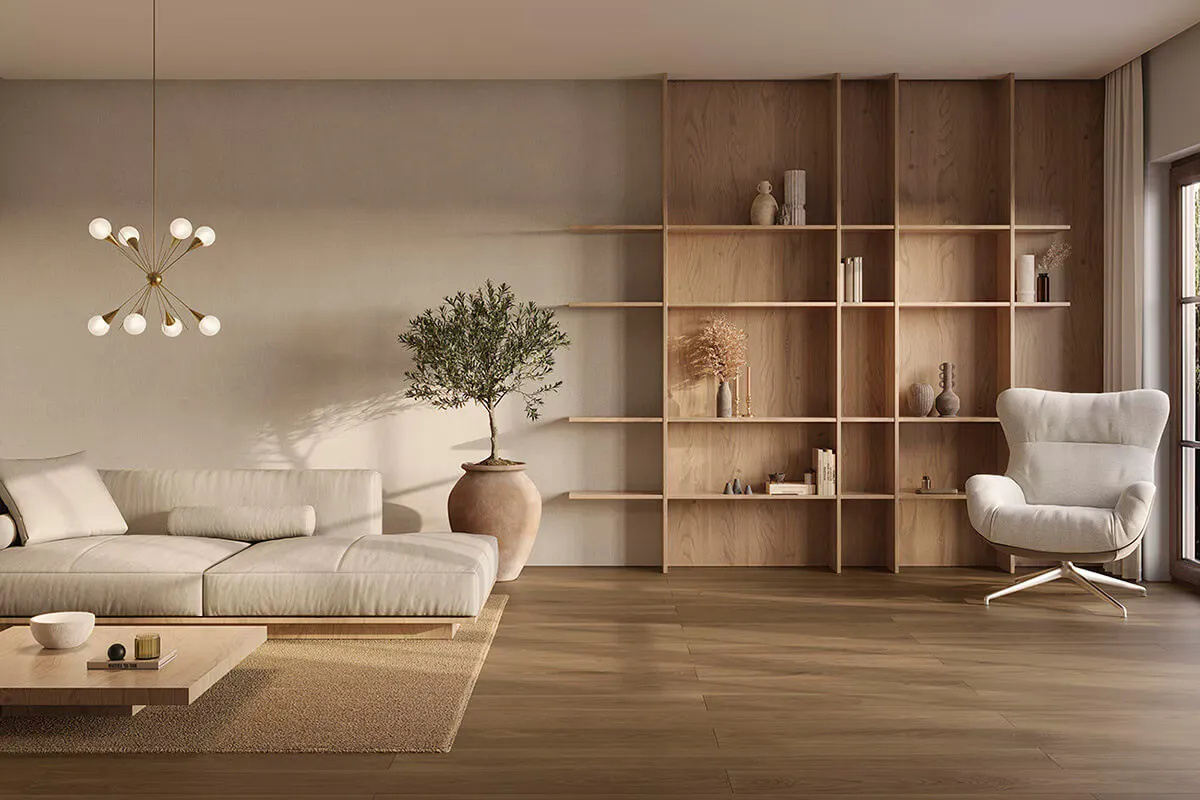
Linkfloor Eco Dynasty Brown 20×181.5 cm
A New Era of Vinyl Flooring
Before launching into any interior décor project, we should try to keep an open mind. Banish any prejudices and preconceptions we may have about certain materials such as vinyl. LVT (Luxury Vinyl Tile) flooring has evolved in leaps and bounds over recent years to become almost indistinguishable from the materials it imitates. Whether it be wood, stone or fabric, the look is authentic but without the hassle of ongoing maintenance.
What is LVT Flooring?
Unlike vinyl flooring of the past (which came as a roll and resembled linoleum), LVT today comes as a plank or tile. The technology behind LVT reflects advances in vinyl composite materials combined with the ease of laying tiles and planks rather than a roll. Like vinyl rolls, vinyl tiles are made from a sandwich of layers, each layer performing a separate function. The embellishment layer is either a textile fabric or an image printed on paper.
The HD photographic layer is where most progress has been made, resembling natural wood, stone and fabric texture. The finishes are almost indistinguishable from the genuine article. The stability layer provides the weight and sturdiness for the planks/tiles to lay flat. The overall thickness can be anything between 2 and 8mm (including underlay).
The Pros and Cons of LVT Flooring
Below is a list of the pros and cons of LVT flooring:
- Almost indestructible
- Resistant to moisture and dampness
- Little maintenance
- Easy to lay
- Versatile
- Good value for money
- Difficult to remove if glued down
- Soft material
- Discolouration
- Non-sustainable
The Pros of LVT Flooring
- Almost indestructible: Today, vinyl is almost indestructible, making LVT a popular choice for high-traffic areas. The outer layer of the vinyl consists of PVC, which protects the material and generally has a non-slip finish.
- Resistant to moisture and dampness: LVT flooring is 100% water-resistant and so particularly suited to wet and humid areas like kitchens and bathrooms. So no need to worry about water leaks or faulty appliances. The outer layer has an anti-bacterial treatment for additional protection.
- Little maintenance: Vinyl flooring will only require regular sweeping and a weekly mop (avoid abrasive detergents).
- Easy to lay: There is no need for professional installation. Anyone with a measuring tape and a knife can lay LVT flooring. It can be easily cut, making it especially suitable for bathrooms where tiles need to be shaped around bathroom artefacts.
- Versatility: LVT can be laid over existing floors, concrete, timber or tiles. Nowadays, the planks or tiles have a self-adhesive backing, so they are easy to install and not as hard to remove as glued-down versions.
- Value for money: Costing a fraction of the materials they imitate, LVT flooring will last and last. The higher-end products tend to have a thicker stability layer.
The Cons of LVT Flooring
- Difficult to remove once installed: Some adhesives are difficult to remove and are labour-intensive when removing them.
- Vinyl is a soft material: One of its advantages is also its greatest weakness: its lightness. Heavy furniture can dent and mark vinyl floors, while sharp objects can pierce the upper layers.
- Discolouration: LVT flooring can suffer from sun damage if laid in conservatories or near south-facing doors/windows. The outer layer is not UV-resistant and is liable to fade over time.
- Sustainability: The materials used for LVT flooring are not bio-degradable and, therefore, not environmentally friendly.
Different Ways to Lay LVT Flooring
The two main ways of installing vinyl flooring are peel and stick as well as the click system which floats (without glue). Both are intuitive and do not require any specialist knowledge. A competent DIY enthusiast will have no difficulty in trouble in completing a domestic installation. TheLVT Click Flooring: the planks or tiles have a tongue and groove edge detail that allows the tiles to slot into place. You will hear an audible ‘click’ noise when the plank or tile is attached correctly.Peel & Stick Flooring: the backs of the tiles are provided with a proprietary adhesive and protective cover. Once the tile is ready for placement just remove the backing and carefully align it with the other tiles.
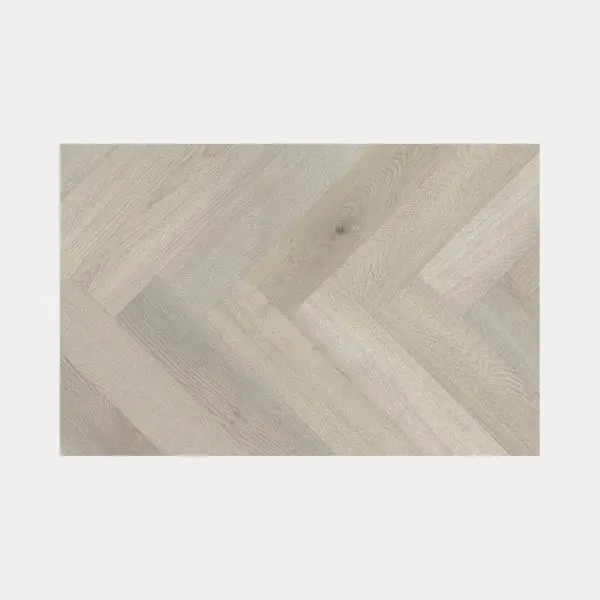
Linkfloor Eco Dynasty Light 20×181.5 cm
Be Creative with LVT Flooring
Just like timber, there are numerous ways to lay luxury vinyl tiles. Whether your preference is for dark wood or lighter timber tones there is a suitable LVT floor. Similarly, the width of the planks or tiles impacts on the visual effect. The laying pattern like herringbone LVT also helps elevate the finish. Not forgetting the type of wood and the individual grain that it reproduces. Vinyl is a more versatile alternative to wood and stone as it can be used in wet areas: The following ideas are just some of the ways you can customise LVT flooring.
#01 Dimension & Pattern: Choose between different width planks and tiles to create different effects. LVT herringbone flooring for example adds a decorative laying pattern that recreates the parquet floors of classic homes. Alternatively, patterned LVT flooring recreates the traditional Victorian encaustic tile look.
#02 Colour: The world is your oyster with LVT floors, you are not confined to any one colour or tone. In recent years white LVT flooring and grey LVT flooring have been popular choices that reflect more light into a room. The look is very modern and can add to a seaside aesthetic or a more contemporary avant-garde style interior.
#03 Texture: Similarly, the grain and texture of different woods can be recreated by the photographic layer of LVT. We associate dense grains and knotted textures with different species of timber. The grain of oak LVT flooring like the actual tree, is straight and regular, free from knots. Pine on the other hand is straight or wavy with a regular texture.
Luxury Vinyl Floor Tiles Around the Home
LVT flooring is suitable for areas that are difficult to maintain around the home. The floor underneath a dining table, or a kitchen table, which needs regular cleaning for example. Because vinyl is stain-resistant and soft underfoot it makes it ideal for dining areas. The same goes for an entrance hall or corridor, LVF floor tiles will keep their good looks just using regular cleaning products. They will also resist heavy traffic and make a statement.
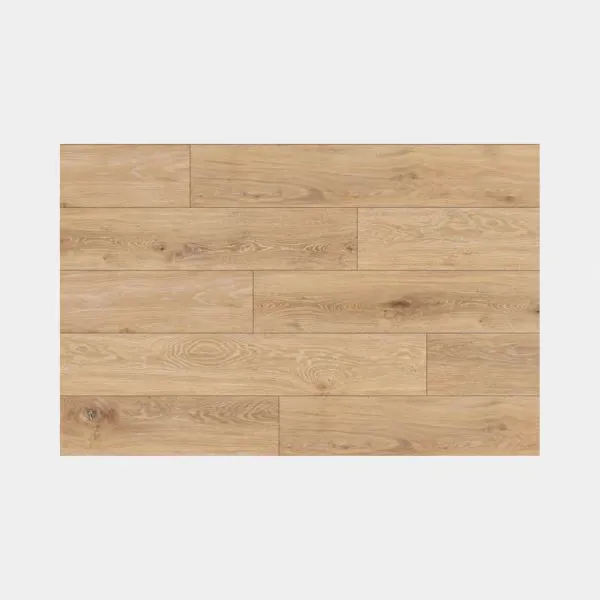
Linkfloor Supreme Clear 23×226 cm
LVT flooring in the bathroom
Waterproof LVT is the holy grail for lovers of the authentic warmth, texture and colour of timber without the headache of water damage. Humid spaces like the bathroom can now feature the feel of wood with LVT bathroom flooring. The exceptional technical performance of LVT flooring is the main reason for its use in the bathroom. Heavy-duty planks or tiles are recommended because they repel water over a longer lifespan. Resistant to water and easy to maintain, LVT flooring is also attractive. Choose between timber or natural stone effects. Remember that LVT is also suitable for cladding bathroom walls.
LVT flooring for the kitchen
LVT kitchen flooring is the advance that homeowners have been waiting for. In addition to the Pros and Cons outlined above, LVT flooring offers comfort underfoot. There is a slight give to the material, which provides additional comfort in areas where we are on our feet a lot, like the kitchen. LVT is also suitable for underfloor heating and the different options in designs allow for customisation. Natural wood options combine texture with chevron, herringbone and other laying patterns. While stone and fabric versions also look stylish while requiring almost no special maintenance.
Laying LVT flooring
Because it can be laid in planks or tiles format, LVT flooring is DIY-friendly. You don’t require any special equipment, just a Stanley knife and a measuring tape. Depending on the type of flooring, adhesive can be avoided. Follow these steps to learnhow to lay vinyl flooring.
Follow these steps for the optimum results:
- Make sure the substrate is completely clean, smooth and level.
- Before laying the planks/tiles measure the width of the room to avoid awkward cuts.
- To cut the planks/tiles, score the back with a Stanley knife and snap off.
- Remove the protection to the backing adhesive and click it into place.
LVT flooring costs in the UK
On average, expect to pay between £50 and £60 per square meter, i.e. per 10 sq. ft, if the vinyl tiles are of the highest quality. Anything below that price is likely to perform badly in the long run. The cost of use and durability must also be factored into the budget, with significant savings over time.
Linkfloor, the vinyl tile developed by PORCELANOSA, is a high-quality PVC-based tile with maximum stability, which simulates the appearance of natural wood, woven textile fibre or stone tiles.
We have looked at the Pros and Cons of LVT Flooring through this article. If you are interested in learning more make an appointment with your nearest Porcelanosa showroom to experience first-hand the tactile qualities, killer looks and competitive pricing of LVT. In the meantime, drop us a line with any queries regarding the subject matter explored here.
FAQs
How to clean LVT flooring?
How to clean LVT flooring?
Protect vinyl flooring by putting rugs on heavily trafficked areas like hallways. Use coasters or felt under heavy furniture sitting on vinyl flooring. Avoid abrasive or overly harsh cleaning products that include solvents or ammonia. Sweep regularly and mop clean with a mixture of well diluted white vinegar for the best results.
Is LVT flooring waterproof?
Is LVT flooring waterproof?
Yes, 100%, but better grade LVT products will last longer and perform better over time.
Does LVT flooring need an expansion gap?
Does LVT flooring need an expansion gap?
There are three methods of laying LVT flooring, floating, click-in and glued down. The floating floor consists of planks or tiles that click together in a male/female system. Like any other material, vinyl is liable to expansion, so the floating requires an expansion gap. Usually, this joint can be covered by a skirting board and is imperceptible. For the glued down LVF floor, no expansion joint is required. However, it’s advisable to leave a small gap around the perimeter nevertheless.
Does LVT flooring need underlay?
Does LVT flooring need underlay?
One of the pros of VLT flooring is that it can be laid over existing finishes. So no underlay is strictly required. However, the substrate must be perfectly even. Otherwise, the vinyl will be damaged. Another advantage of laying LVT flooring directly on a slab is that the vinyl has a waterproof backing, so no DPM is necessary. For upper floors, an Acoustic Vinyl Click Flooring Underlay is recommended to avoid sound transmission.
Which LVT flooring is best?
Which LVT flooring is best?
Vinyl flooring comes in sheets, planks or tiles. The most popular categories of vinyl flooring include: Rigid Core Vinyl Flooring, Stone Plastic Composite Vinyl Flooring SPC, Wood Plastic Composite Vinyl Flooring WPC and Hybrid Vinyl.
Is LVT flooring better than laminate?
Is LVT flooring better than laminate?
These are two very different products. And each has its pros and cons. For wet areas, those subject to heavy traffic or those with the highest wear, LVT is justified.